



10 06 2025 09:28
News Code : 97629478
View Count : 78707
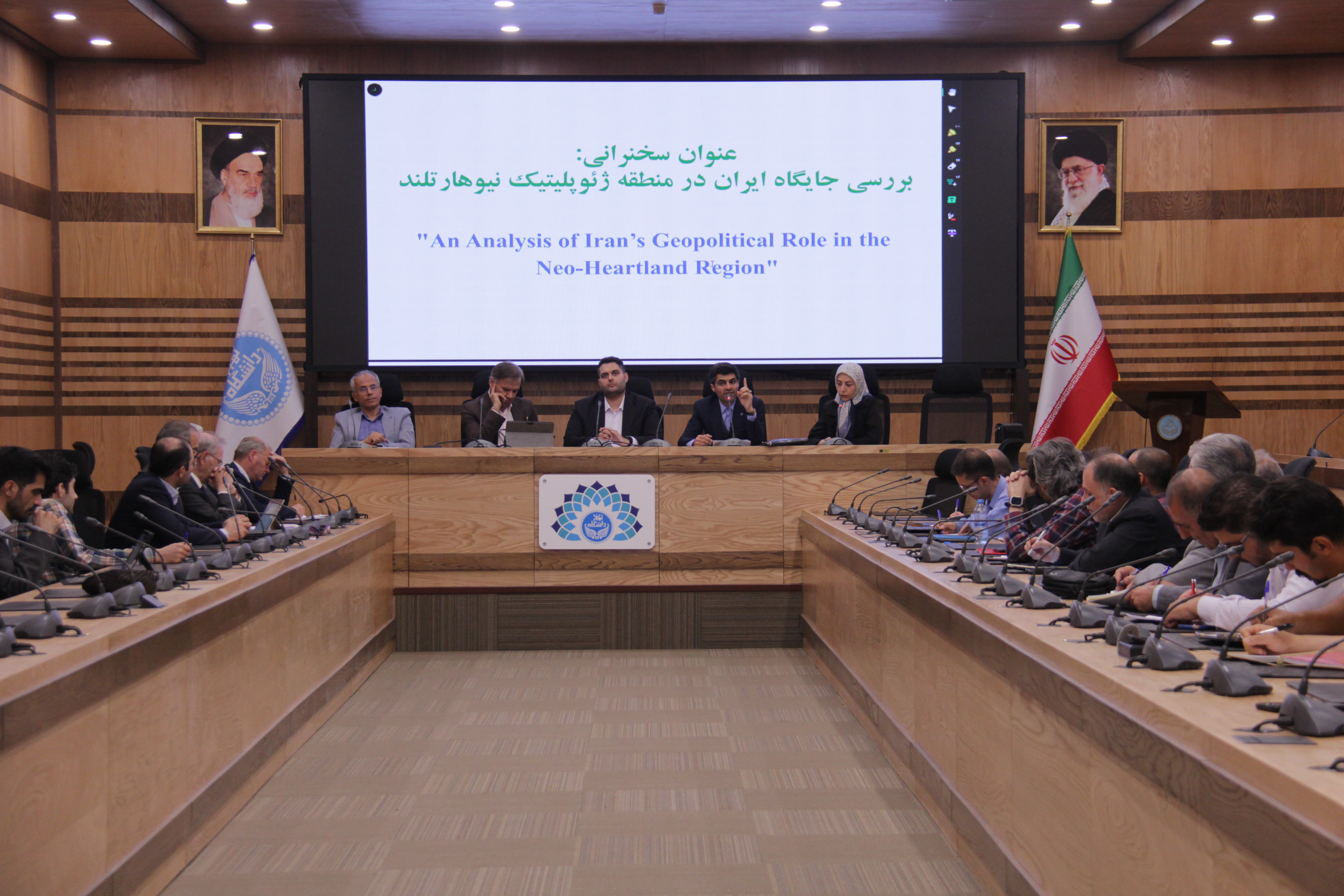
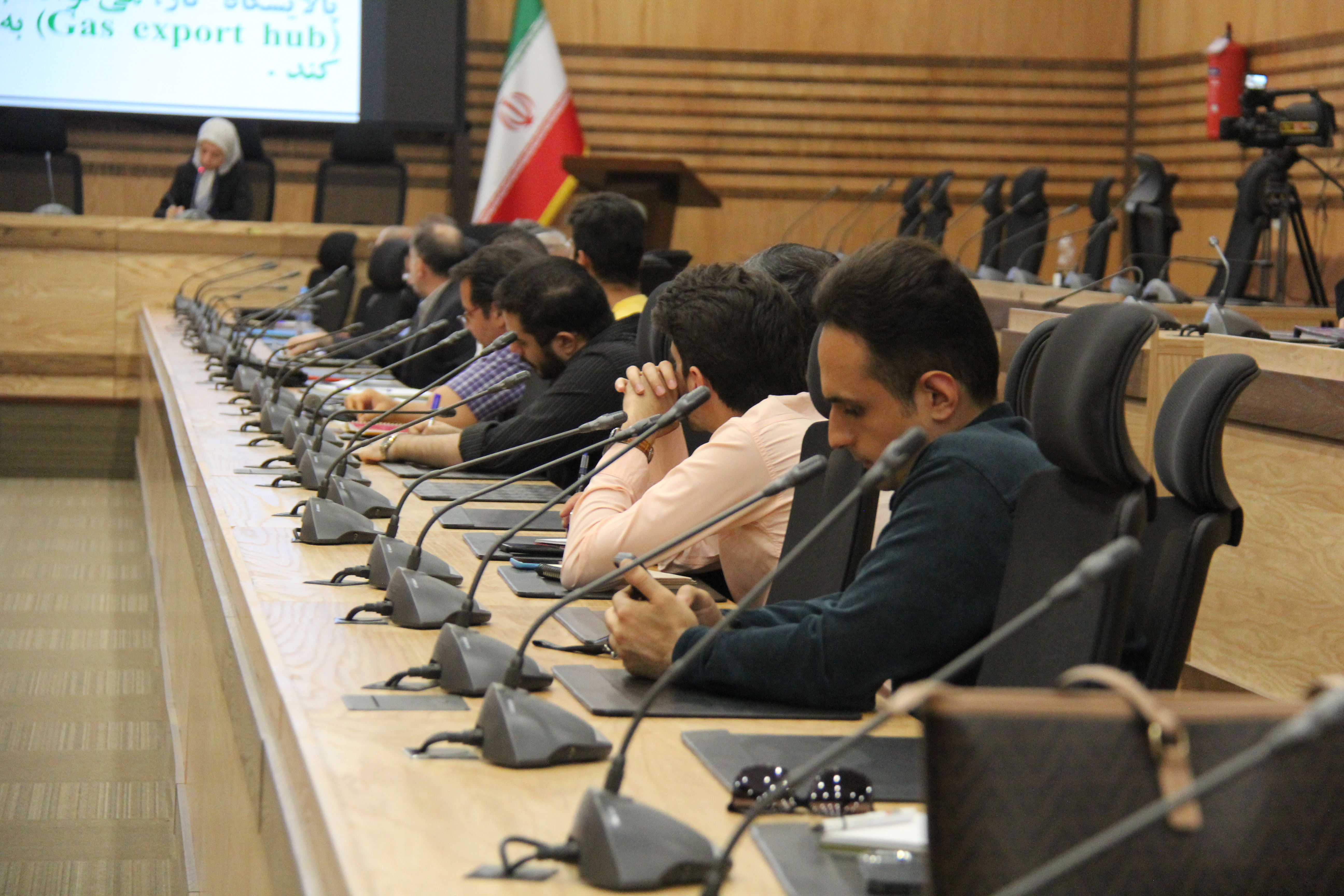
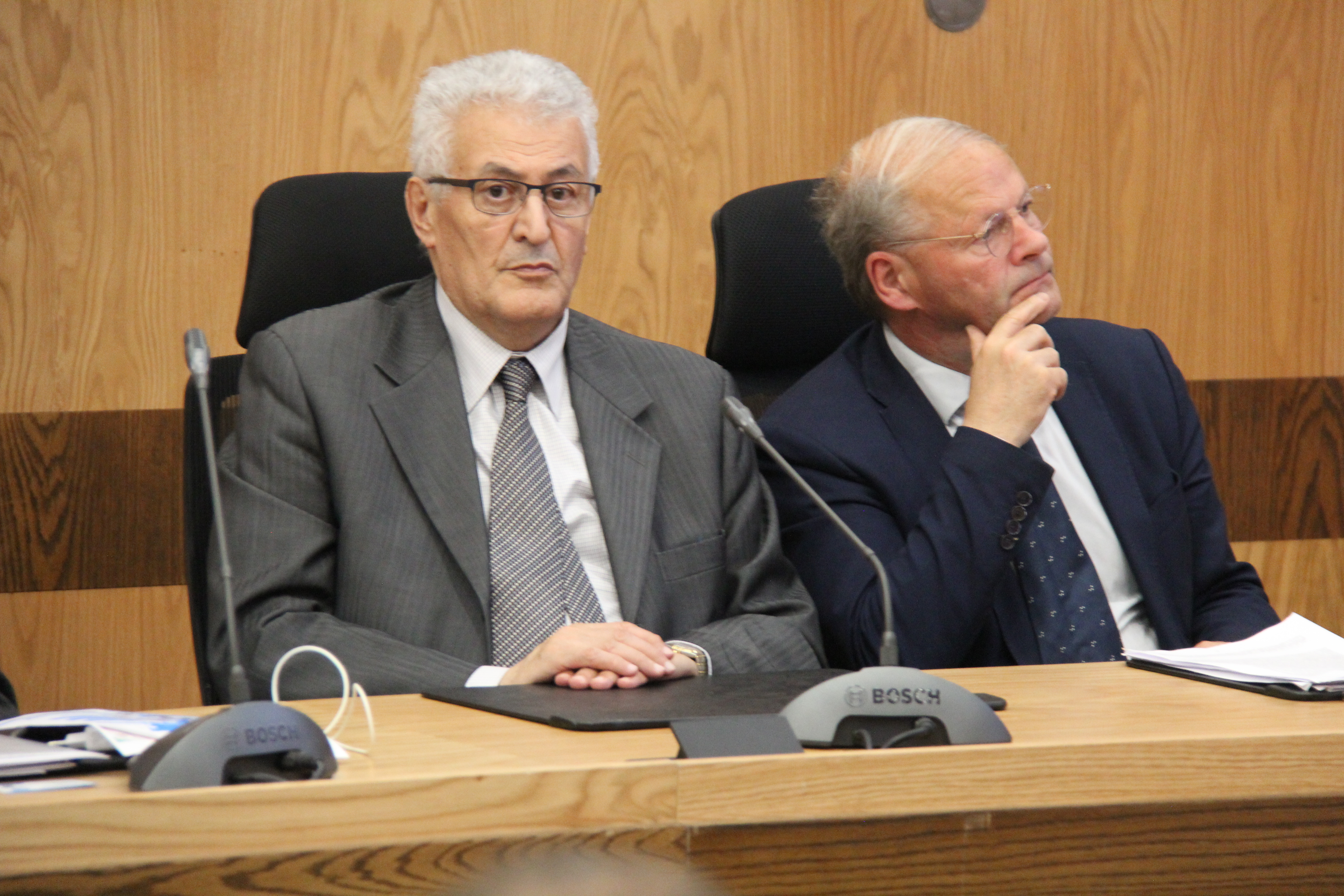
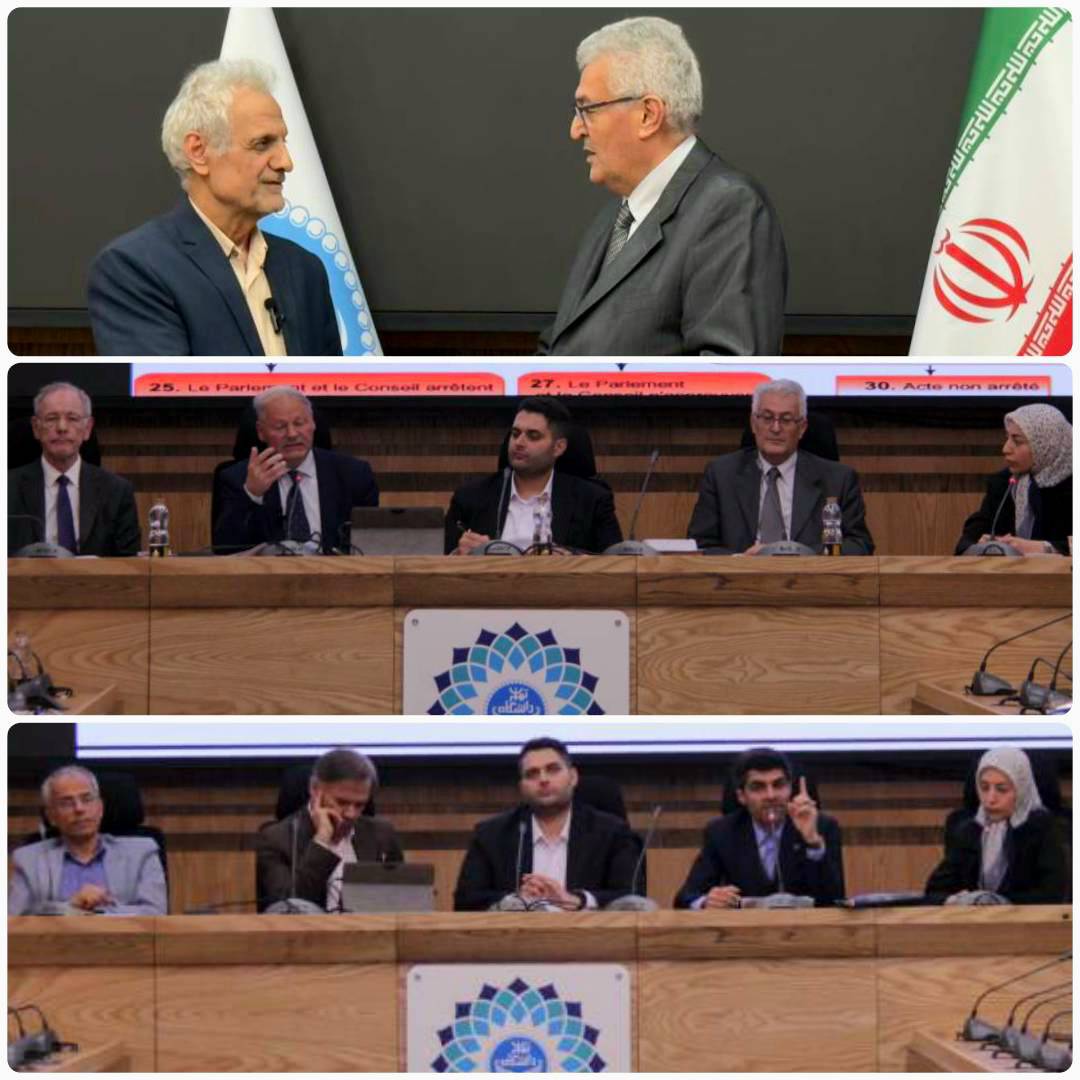
A specialized seminar titled "Change in the Global Geopolitical Order; Is a Hegemonic Power Transition Underway?" was held on Saturday, June 6, 2025, with the participation of Iranian and French professors at the Tehran University Conference Hall. This scientific meeting, organized by the School of Governance of the University of Tehran, was dedicated to examining the emerging dimensions of geopolitical developments and the future of the global order.
During the meeting, a formal memorandum of understanding was signed between the School of Governance of the University of Tehran and the Paris Academy of Geopolitics. The memorandum, signed by Dr. Mojtaba Amiri, President of the School of Governance of the University of Tehran, and Dr. Ali Rastbin, President of the Paris Academy of Geopolitics, emphasizes expanding scientific cooperation, exchanging faculty and students, and implementing joint educational programs and research projects in the field of governance and geopolitical studies.
In the first panel of the meeting, three central topics were examined in relation to Iran's regional position and France's historical role in geopolitical equations. Dr. Majid Gholami, a faculty member of the School of Governance at the University of Tehran, in a presentation entitled "French Geopolitics; Revisiting Gaullism in France, " analyzed the ideas of General de Gaulle and their impact on France's independent foreign policy. He emphasized that Gaullism, as a model for European independence from American hegemony, continues to inspire a segment of France's political elite.
Subsequently, Dr. Bahador Zarei, Director of the Geopolitics Department at the University of Tehran, in his speech entitled "Iran's Position in the Regional Geopolitics of the New Heartland, " analyzed Iran's role in Eurasian transit axes, including the North-South Corridor and the Belt and Road Initiative, and emphasized that the New Heartland, for Iran, is like an economic and geostrategic gateway to the East, the center of Eurasia, and freedom from dependence on the West.
The third speaker on this panel, Dr. Sirous Ahmadi Nohadani, a faculty member at Tarbiat Modares University, with his presentation on "The Impact of Global and Regional Powers on Weakening France's Influence in West Africa, " explained the decline of Françafrique. He pointed to the increasing influence of powers such as Russia and China, especially the growing role of the Russian Wagner Group in West African countries such as Mali and Niger, analyzing that the traditional model of French dominance in Africa is no longer sustainable and must give way to multilateral and equal relations.
In the second panel, Dr. Ali Rastbeen, President of the Academy of Geopolitics of Paris and a researcher in the field of human rights, in his speech entitled "France and Human Rights; Re-reading France's Role in Defending the Oppressed People of Gaza, " criticized France's double standards towards humanitarian crises. Pointing out that France, with its extensive history of enlightenment and claims of defending human rights, still faces contradictions in its foreign policy in practice, he added: How is it possible for a country that is considered the cradle of modern civilization and liberal values to adopt a policy of compromise and silence regarding the rights of the Palestinian people?
Subsequently, Dr. Christophe Rouvière, professor at the Sorbonne University and Vice President of the Academy of Geopolitics of Paris, in his speech entitled "The Role of the European Union in the New World Order; From the Growth of a Unified Identity to the Growth of Exiting the Union, " analyzed the challenges of political and security cohesion in Europe and provided a historical overview of the Warsaw Pact, the North Atlantic Treaty, the formation of NATO, and the role of the Ukraine war in strengthening Europe's security dependence on the United States. He also addressed the contradiction in the formation of European identity; an identity that both desires internal cohesion and suffers from political divergence within itself.
The last speaker of the meeting, Dr. Gérard-François Dumont, professor at the Sorbonne University and Vice President of the Academy of Geopolitics of Paris, in his speech entitled "France and Hegemonic America; Which has Priority: An Independent Europe or a Dependent Europe?" examined the complex relations between France and the United States. He emphasized that Europeans are heavily dependent on the US defense umbrella for their security, and this dependence has made it impossible for them to make independent decisions even in their relations with countries like Iran. He added that the extraterritorial laws enacted by the United States have been a serious obstacle to the development of relations between Iran and France, and the European Union does not have the real ability to neutralize these pressures.
At the end of the meeting, Dr. Reza Payandeh, Scientific Secretary of the program and faculty member of the School of Governance at the University of Tehran, summarizing the discussions, emphasized that today's world conditions require a revision of the traditional concepts of power, alliance, and hegemony. He also expressed hope that the beginning of joint cooperation between the University of Tehran and the Academy of Geopolitics of Paris will provide a platform for the production of interdisciplinary knowledge in the field of governance and global politics. The meeting was widely welcomed by students, professors, and those interested in strategic issues, and is considered a serious step towards the internationalization of the research activities of the School of Governance.
https://governance.ut.ac.ir/en/article/97629478

